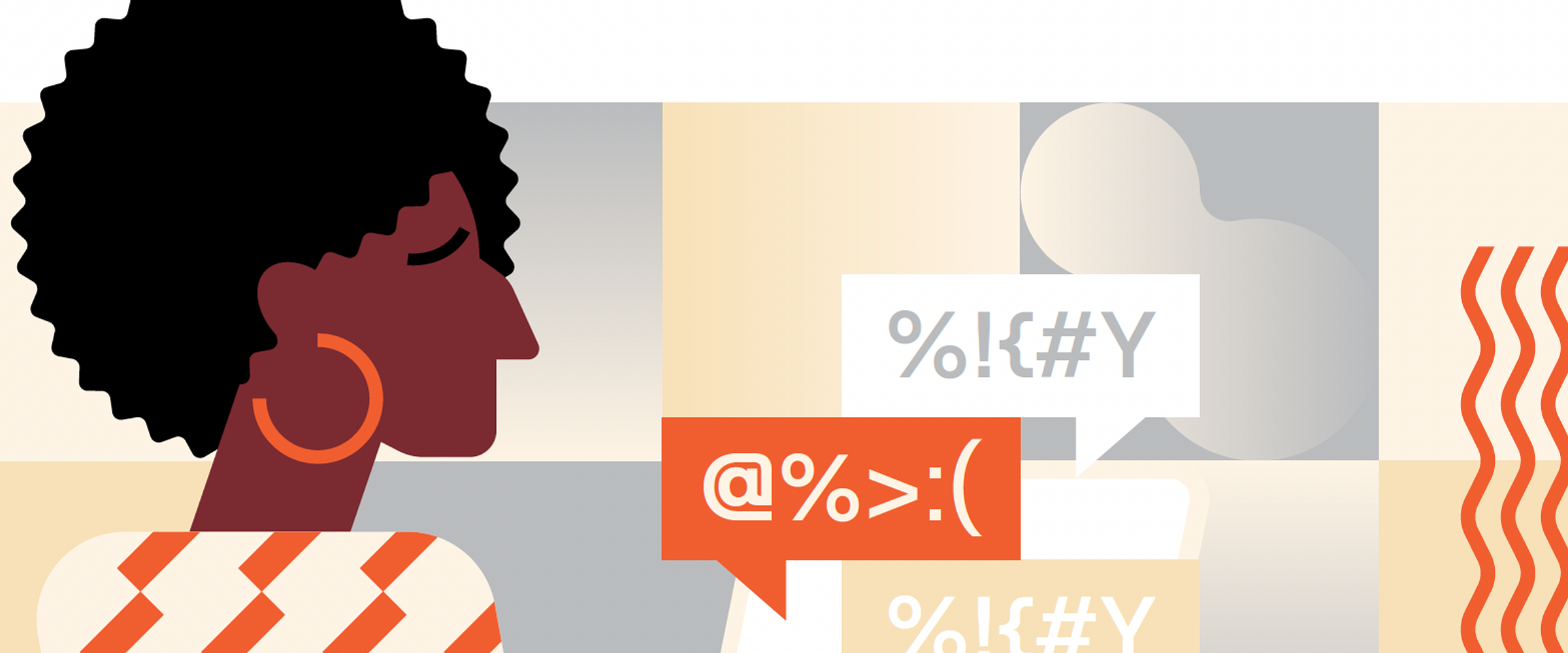
Online violence is often only considered a digital safety issue, but the impact of online abuse on journalists’ mental health is significant and has serious consequences for them, their work, and for press freedom. This is particularly true for women and diverse journalists who are disproportionately targeted by online attacks.
The culture of silence around online violence and mental health has made it difficult for journalists to get long-term practical help. A Mental Health Guide for Journalists Facing Online Violence was created with the needs of journalists in mind by mental health professionals specialized in working in trauma and the media. The guide:
- Helps journalists understand the psychological reasons why abusers attack online and how to take steps to better protect their mental health
- Provides a mental health self-evaluation chart so journalists can assess how online violence is affecting their wellbeing
- Provides easy-to-implement, downloadable exercises to help manage the mental health toll of online abuse
- Suggests resources and organizations that can support journalists with issues related to online violence
The IWMF is dedicated to promoting a culture of change in newsrooms when it comes to tackling online violence. The use of this guide in conjunction with the IWMF’s Guide to Protecting Newsrooms and Journalists Against Online Violence contributes to the increasingly important conversation around online violence and its impact on journalists.
Exercises and resources from the guide are linked below.